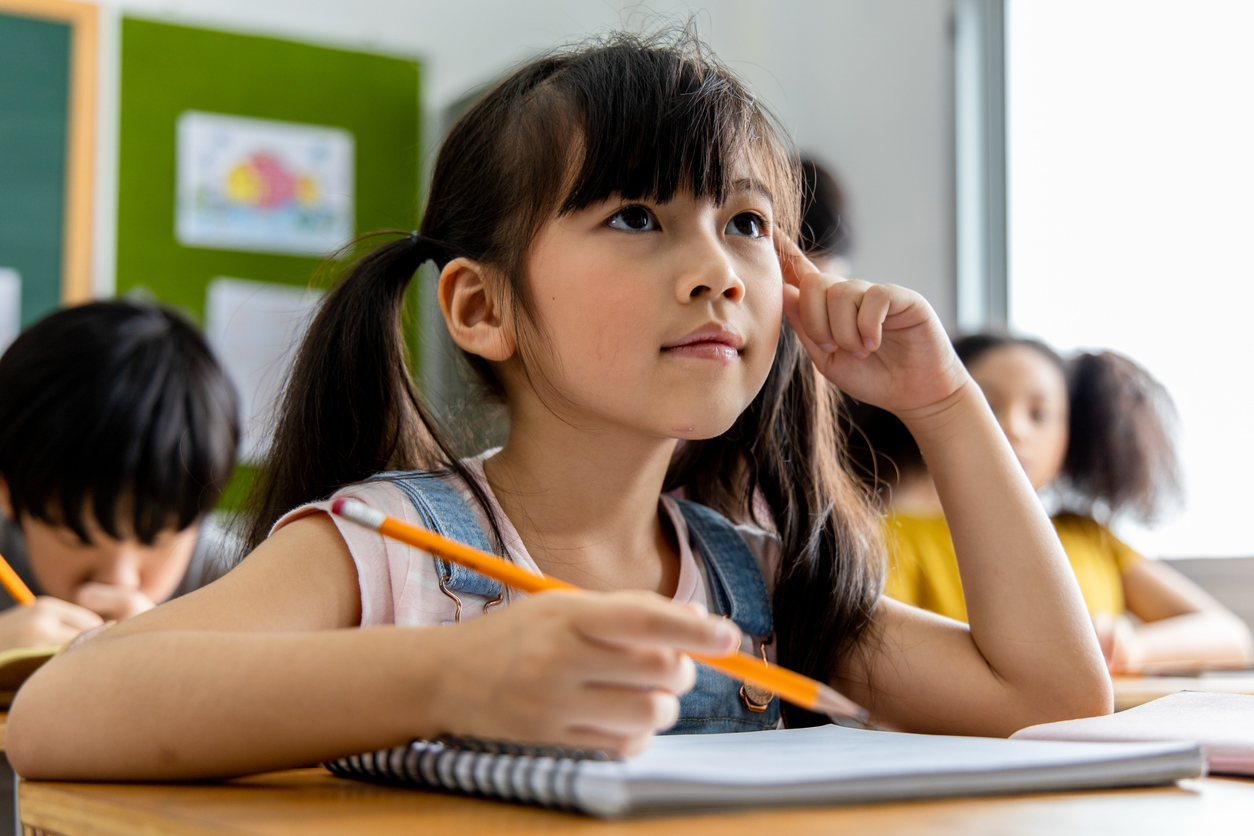
A new school year brings new teachers, new routines, and plenty of activities that rely on your child’s vision. From reading a book and working on a computer to looking across the classroom and participating in sports, children use their eyes throughout the school day.
But would your child know if they were not seeing as clearly or comfortably as they should?
Children do not always recognize that they have a vision problem. If they have always seen the world a certain way, they may assume everyone sees the same way. And while some children show noticeable signs of vision difficulties, others may give parents and teachers little reason to suspect a problem.
A pediatric eye exam can provide a more complete picture of how well your child sees and how their eyes are working together.
Children May Not Know Their Vision Is Different
Adults usually have years of experience with their eyesight and can recognize when something changes. Children do not necessarily have that point of comparison.
For example, a child who has always had blurry distance vision may not realize that the writing on the classroom board should look clearer. If one eye sees better than the other, the stronger eye can sometimes compensate enough that the child does not recognize a difference.
The American Association for Pediatric Ophthalmology and Strabismus notes that children with refractive errors often do not complain about blurry vision, particularly when only one eye is affected, and parents may not notice signs either.
That is one reason it is important not to rely only on your child telling you that something is wrong.
The Visual Demands of the School Day
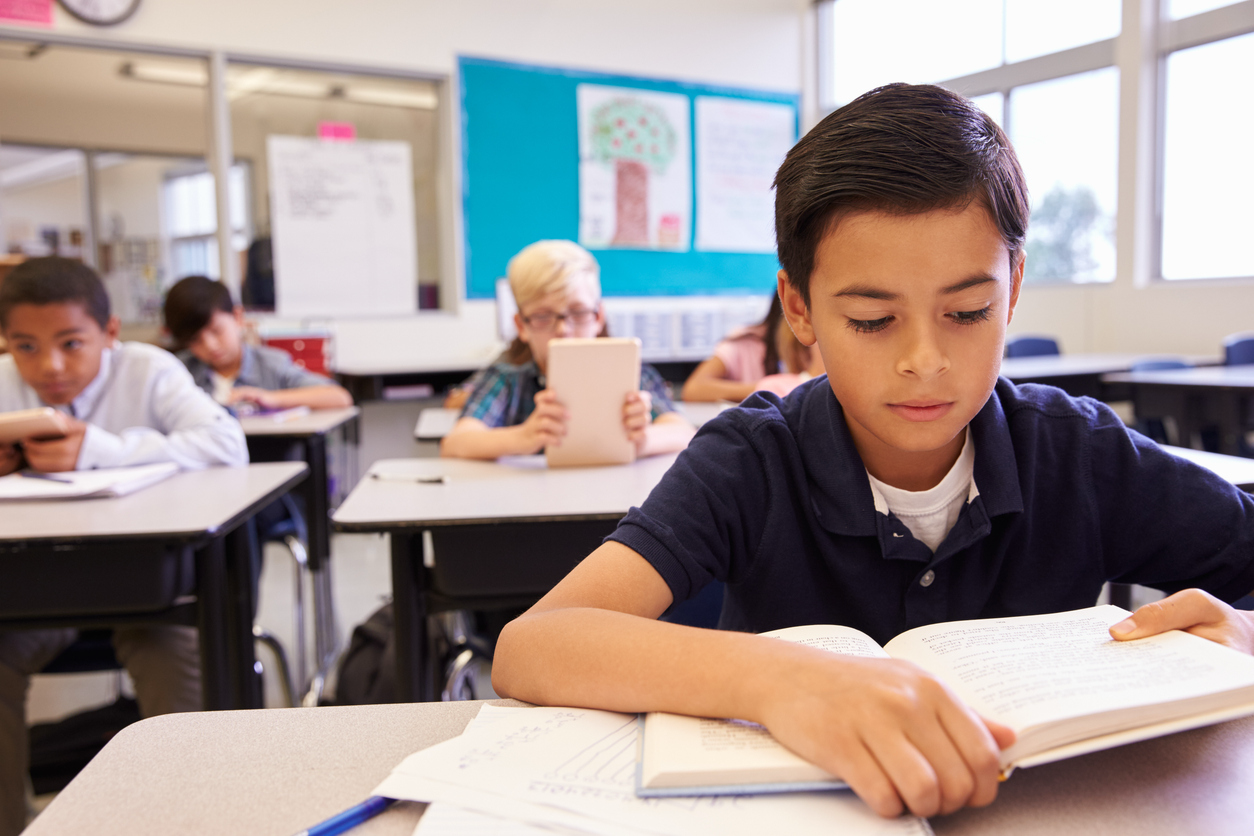
School places many different demands on a child’s eyes. During a typical day, your child may need to look back and forth between something across the classroom and a book or worksheet on the desk. They may spend extended periods reading, writing, drawing, or using a computer or tablet.
Clear eyesight is only part of the picture. The eyes also need to focus and work together efficiently as a child moves between different activities and viewing distances.
When there is a vision difficulty, some classroom activities may require more effort. Depending on the problem, a child might experience blurred vision, eye strain, headaches, or difficulty maintaining comfortable vision during close work.
Signs of a Possible Vision Problem
Although children do not always show symptoms, there are behaviors that can provide clues. Parents and teachers might notice that a child:
- Squints or closes one eye to see
- Holds books, tablets, or other objects unusually close
- Sits closer to the television or has difficulty seeing things at a distance
- Frequently rubs their eyes
- Complains of headaches or tired eyes
- Loses their place while reading
- Avoids or becomes frustrated with reading or other close work
- Tilts or turns their head when looking at something
A change in behavior does not automatically mean that a child has a vision problem. Likewise, difficulties with reading, attention, or school performance can have many causes. However, when concerns arise, vision is one factor worth evaluating.
What If Your Child Has No Signs of a Vision Problem?
This is where children’s vision can be particularly difficult for parents to assess.
Your child may read well, enjoy school, and never complain about their eyesight. That does not necessarily tell you everything about their vision or eye health.
Some vision problems are simply not obvious in everyday life. A pediatric eye exam does not depend on your child recognizing a problem first. It allows the eye doctor to evaluate vision and eye health even when everything seems to be going well.
Could Vision Be Affecting Your Child at School?
If a child is having difficulty seeing clearly or comfortably, the effects can sometimes become more noticeable once school is underway.
A child who cannot see the board clearly might move closer or squint. Another child may find prolonged reading uncomfortable. A child who has difficulty shifting focus between near and far distances may find certain classroom tasks more challenging.
However, it is important not to assume that every classroom difficulty is caused by eyesight. An eye examination can determine whether a vision problem is present and whether it needs to be addressed.
If your child already wears glasses or contact lenses, an exam also provides an opportunity to determine whether the current prescription continues to meet their needs.
How Is a Pediatric Eye Exam Different from a School Vision Screening?
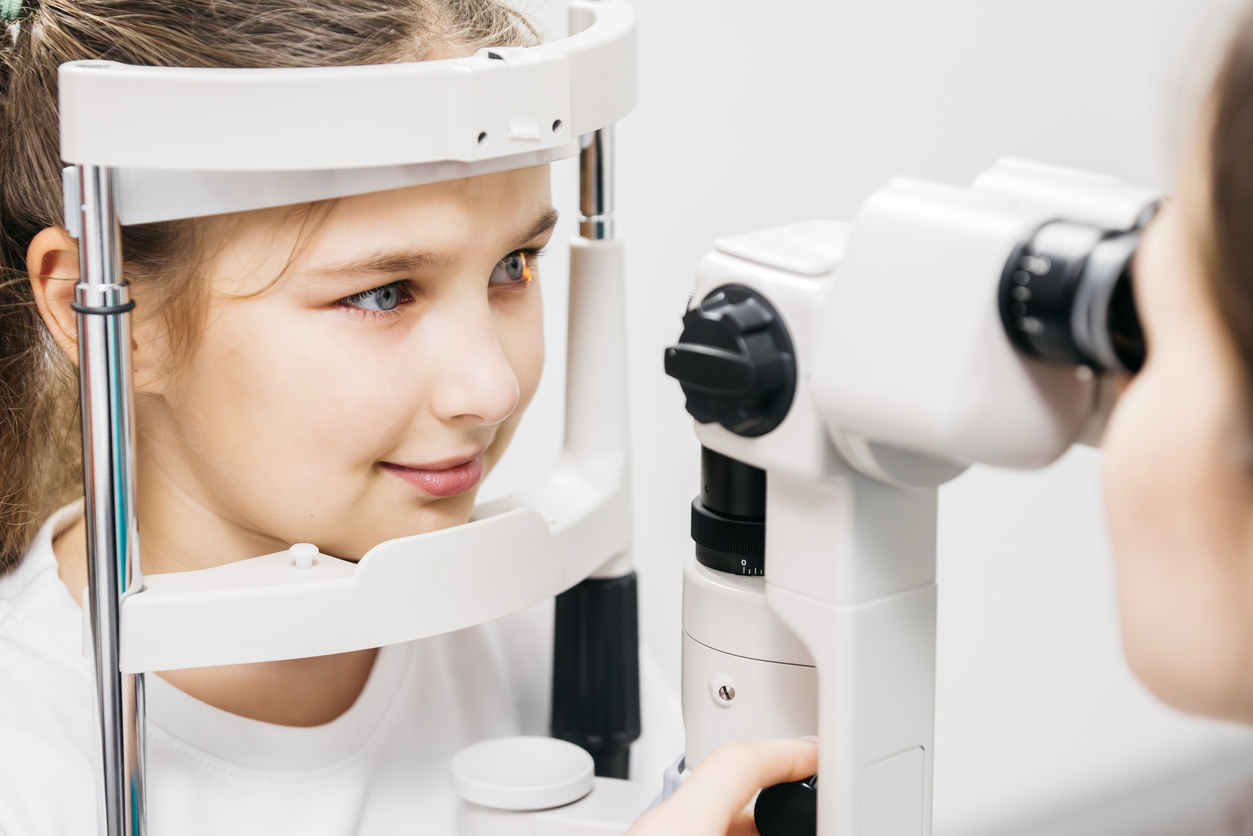
School vision screenings provide a useful way to identify some children who may need further evaluation. However, a screening and a comprehensive eye examination serve different purposes.
A screening is designed to identify potential concerns. A comprehensive pediatric eye exam allows the doctor to examine your child’s vision in greater detail and evaluate the health of the eyes.
The American Optometric Association explains that a school vision screening can identify some vision concerns, but it does not take the place of a comprehensive eye exam.
For more information on the differences between school screenings and comprehensive eye exams see our previous blog on Annual Eye Exams for Children In Alice, Texas.
Support Your Child’s Vision Some Attention This School Year
The beginning of a new school year is a good time to think about all the things that help your child succeed and feel comfortable in the classroom. Vision is one of them.
You do not have to wait for your child to complain about blurry vision or for a teacher to notice something unusual. A pediatric eye exam can help you understand how well your child is seeing and identify vision or eye health concerns that might otherwise be easy to miss.
At Alice Family Eye Center, our team provides comprehensive eye care for children and families in Alice, Texas. Schedule your child’s eye exam today and start the school year with a clearer understanding of their vision.
______________________________________________________________________________
Frequently Asked Questions About Children’s Eye Exams
At What Age Should My Child Have Their First Comprehensive Eye Exam?
Children can have comprehensive eye exams long before they are able to read an eye chart. Eye doctors use age-appropriate methods to evaluate vision and eye health at different stages of a child’s development. If you are unsure whether your child is due for an exam, Alice Family Eye Center can help you determine an appropriate schedule.
Does My Child Need an Eye Exam If They Already Wear Glasses?
Yes. Children’s vision can change as they grow, so an eye exam can determine whether an existing prescription still provides the correction they need. The doctor can also evaluate the overall health of the eyes.
Can Increased Screen Use Affect My Child’s Eyes?
Long periods of computer, tablet, and phone use can contribute to eye strain and discomfort. Encouraging regular breaks from close-up activities and spending time outdoors can help support healthy visual habits.
What If My Child Needs Glasses for School?
If an eye exam shows that your child needs glasses, the appropriate prescription can help provide clear vision for classroom activities and everyday life. Alice Family Eye Center can also help you select frames and lenses that are comfortable and appropriate for your child’s activities.