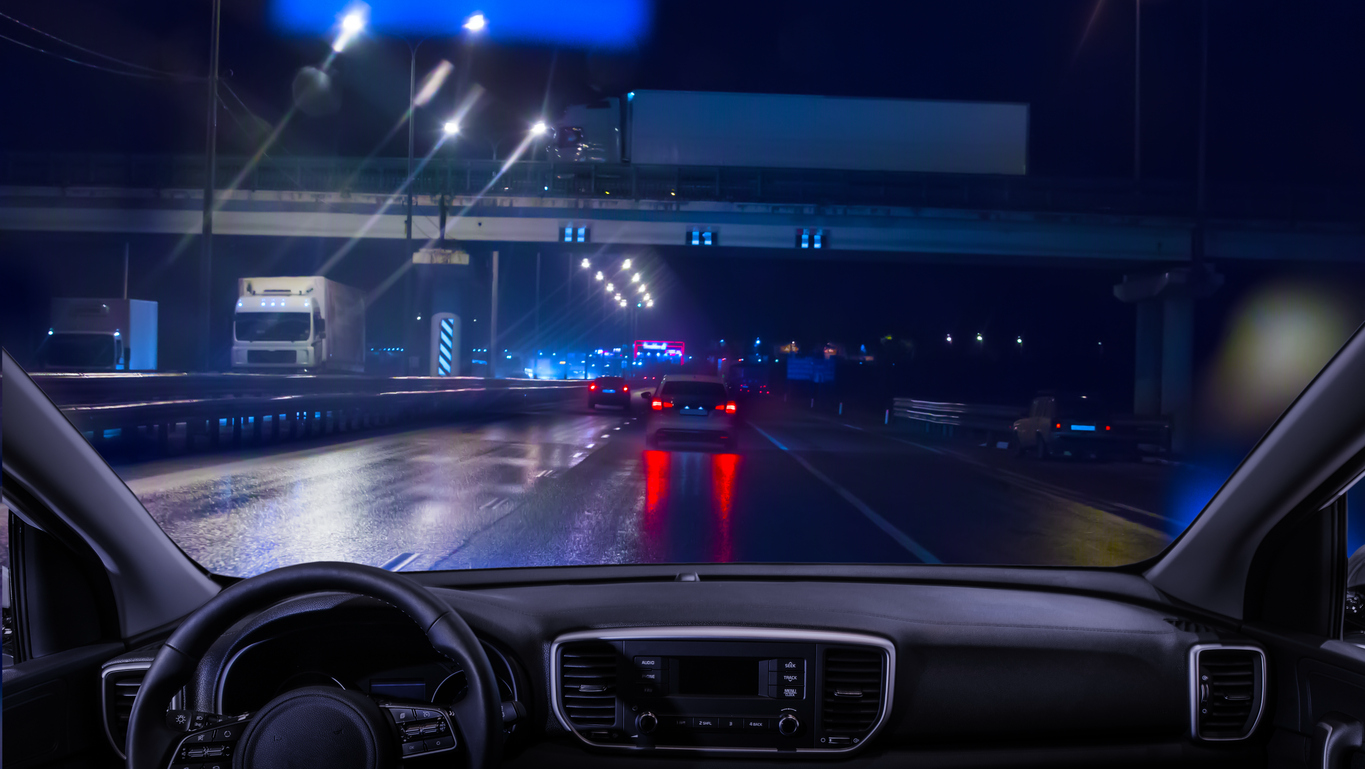
Driving at night can feel very different from driving during the day. Road signs may be harder to read, headlights from oncoming cars can create uncomfortable glare, and objects that are easy to see in daylight may seem less distinct after dark.
If you are having increasing difficulty driving at night, avoiding nighttime driving, or noticing that glare from headlights makes it especially hard to see, your vision could be contributing to the problem.
At Alice Family Eye Center, we can evaluate whether changes in your prescription, astigmatism, cataracts, dry eye, or another eye condition could be affecting how well you see after dark. Sometimes the answer is as simple as updating your glasses or contact lenses. Other times, changes in night vision can give us a reason to take a closer look at your eye health.
Why Is Driving at Night More Difficult?
Seeing clearly at night requires your eyes to adjust to much lower levels of light. Details can be harder to make out, colors are less distinct, and it can be more difficult to judge what you are seeing in the distance.
Driving at night can be even more challenging because your eyes are repeatedly exposed to bright headlights, streetlights, and illuminated signs against a dark background. Glare from these lights can temporarily make it harder to see the road and your surroundings clearly.
If you have an uncorrected vision problem or an eye condition that affects how clearly you see, you may notice the difference much more when driving at night than during the day.
Common Vision Problems That Can Affect Driving at Night
When a patient tells us that driving at night has become more difficult, there is not one single explanation we expect to find. Several vision problems and eye conditions can affect how clearly and comfortably you see after dark.
An Outdated Eyeglass or Contact Lens Prescription
Vision can change gradually, so you may not immediately notice that your prescription is no longer giving you the clearest possible distance vision.
During the day, the difference may not seem significant. At night, however, you may notice that road signs look blurry, objects in the distance are harder to identify, or you have to squint to see clearly.
During an eye exam at Alice Family Eye Center, we can check whether your prescription has changed and whether updated glasses or contact lenses could improve your distance vision.
Astigmatism
Astigmatism occurs when the shape of the cornea or lens causes light to focus unevenly in the eye. This can result in blurred or distorted vision and may make seeing at night particularly difficult.
Lights may appear less distinct, and headlights or streetlights can produce glare that makes nighttime driving uncomfortable.
Astigmatism can often be corrected with prescription glasses or contact lenses. Because its symptoms can be like those of other vision problems, Dr. Garza can determine whether astigmatism is contributing to what you are experiencing.
Nearsightedness
If you are nearsighted, distant objects are not as clear as objects that are close to you. That can become especially noticeable while driving at night, when you need to see road signs, lane markings, pedestrians, vehicles, and other objects at a distance.
Even a relatively small change in your distance prescription can become more apparent under low-light conditions. Checking your distance vision and current prescription is one of the things we can do when you come to Alice Family Eye Center with concerns about nighttime vision.
Why Does Headlight Glare Make Driving at Night So Difficult?
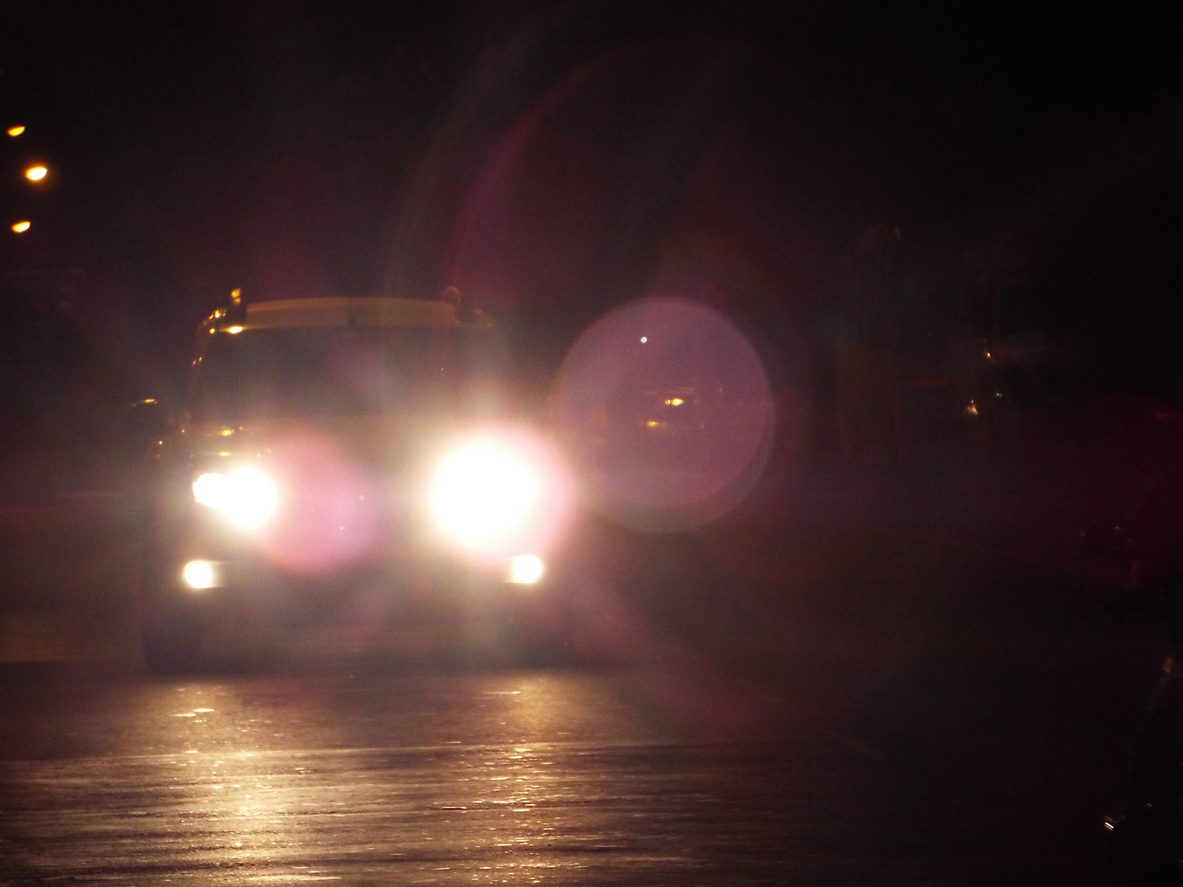
Headlight glare is a common complaint among people who have difficulty driving at night. Your eyes must repeatedly adjust between the dark road and bright headlights, streetlights, and other sources of light.
If light entering the eye is not focused clearly, you may notice glare, halos, starbursts, or a hazy appearance around headlights and streetlights. This can make it more difficult to see what is beyond the bright light.
A dirty windshield or scratched eyeglass lenses can add to the problem, but if headlight glare has become noticeably worse, we recommend mentioning it during your eye exam. It can give us an important clue about changes in your vision or eye health.
Cataracts and Difficulty Driving at Night
Cataracts are another possible reason driving at night can become increasingly difficult, particularly as you get older.
A cataract develops when the normally clear lens inside the eye becomes cloudy. As the lens becomes less transparent, light passing through it can scatter. This can cause blurry or hazy vision, increased sensitivity to glare, halos around lights, and difficulty seeing in low-light conditions.
Night driving is sometimes one of the situations in which people first notice that their vision has changed. Oncoming headlights may seem unusually bright, or glare may temporarily make it difficult to see the road clearly. The National Eye Institute provides additional information about cataract symptoms and treatment.
Because cataracts generally develop gradually, you may adapt to changes in your vision without realizing how much it has changed. At Alice Family Eye Center, our doctors can look for signs of cataracts during your comprehensive eye exam and determine how they are affecting your vision.
Can Dry Eye Affect Your Vision While Driving?
Dry eye can also contribute to blurry or fluctuating vision.
The tears that coat the surface of your eyes help provide a smooth surface for clear vision. When your tear film becomes unstable, your vision can temporarily become less clear. You may notice that your vision improves after blinking and then becomes blurry again.
Air blowing from your vehicle’s air-conditioning or heating vents can contribute to dryness as well. If dry eye is affecting the quality of your vision, we can evaluate what may be contributing to your symptoms and discuss ways to improve both your comfort and the consistency of your vision.
When Should You Have Your Eyes Checked?
For your safety, you should not wait until you can no longer drive comfortably at night to have your vision evaluated. We recommend having your eyes checked if you have noticed:
- Increasing difficulty driving at night
- More glare from headlights than you used to experience
- Halos or starbursts around lights
- Difficulty reading road signs after dark
- Blurry or hazy distance vision
- More squinting while driving
- Trouble distinguishing objects in dimly lit areas
- A noticeable difference between your daytime and nighttime vision
These changes do not automatically mean that you have an eye disease. Sometimes we find that a patient’s prescription simply needs to be updated. In other cases, an eye exam may reveal an eye condition that needs treatment or monitoring.
Can Glasses Make Driving at Night Easier?
If a refractive error is contributing to your difficulty driving at night, having the correct eyeglass prescription can improve how clearly you see at a distance.
Keeping your glasses clean and replacing badly scratched lenses can also help reduce unnecessary glare. Anti-reflective coating on prescription lenses can reduce reflections from the surfaces of your lenses and may be helpful if glare is bothering you.
However, glasses cannot correct every cause of poor night vision. If cataracts, dry eye, or another eye condition is responsible for the change, a different pair of glasses will not address the underlying problem.
That is why we recommend finding out what is causing the change rather than assuming you simply need stronger glasses.
Find Out What Is Making Driving at Night More Difficult
If driving at night has become more difficult than it used to be, an eye exam can help us determine why. Sometimes a change in your eyeglass or contact lens prescription is contributing to the problem. In other cases, astigmatism, cataracts, dry eye, or another eye condition may be affecting how clearly and comfortably you see after dark.
At Alice Family Eye Center, our comprehensive eye exams evaluate both your vision and the health of your eyes. Our doctors can determine whether your prescription needs to be updated and look for eye conditions that could be contributing to glare, blurry vision, or other problems with nighttime driving.
If headlights seem brighter, road signs are becoming harder to read, or you simply do not see as clearly while driving at night as you once did, schedule an eye exam with Alice Family Eye Center in Alice, Texas. We can help you find out what has changed and what can be done to help you see as clearly and comfortably as possible.