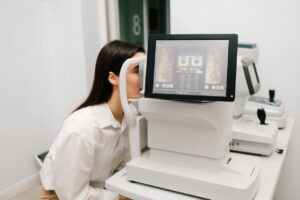

Spring arrives early in South Texas, and with it comes the familiar wave of sneezing, watery eyes, and irritation that affect many families in and around Alice. At Alice Family Eye Center, we understand that spring allergies can be more than a minor seasonal inconvenience. They often lead to real discomfort, visual strain, and difficulty performing daily tasks for both adults and children.
As part of our commitment to high-quality family eye care, we will explain how Texas allergies affect the eyes, which symptoms deserve attention, and how professional eye care can help your family remain comfortable this season.
Why Spring Allergies Strike Early in Texas
South Texas experiences warm temperatures earlier than most regions, which encourages early blooming. Pollen counts begin rising in February and often peak in March, creating the ideal environment for eye irritation. Oak, ash, mulberry, cedar, and local grasses are among the most common triggers in the Alice region.
Airborne allergens reach the surface of the eye easily, where they interact with sensitive tissues. This can create a cycle of inflammation and irritation that becomes difficult to manage without appropriate treatment.
Common Eye Allergy Symptoms
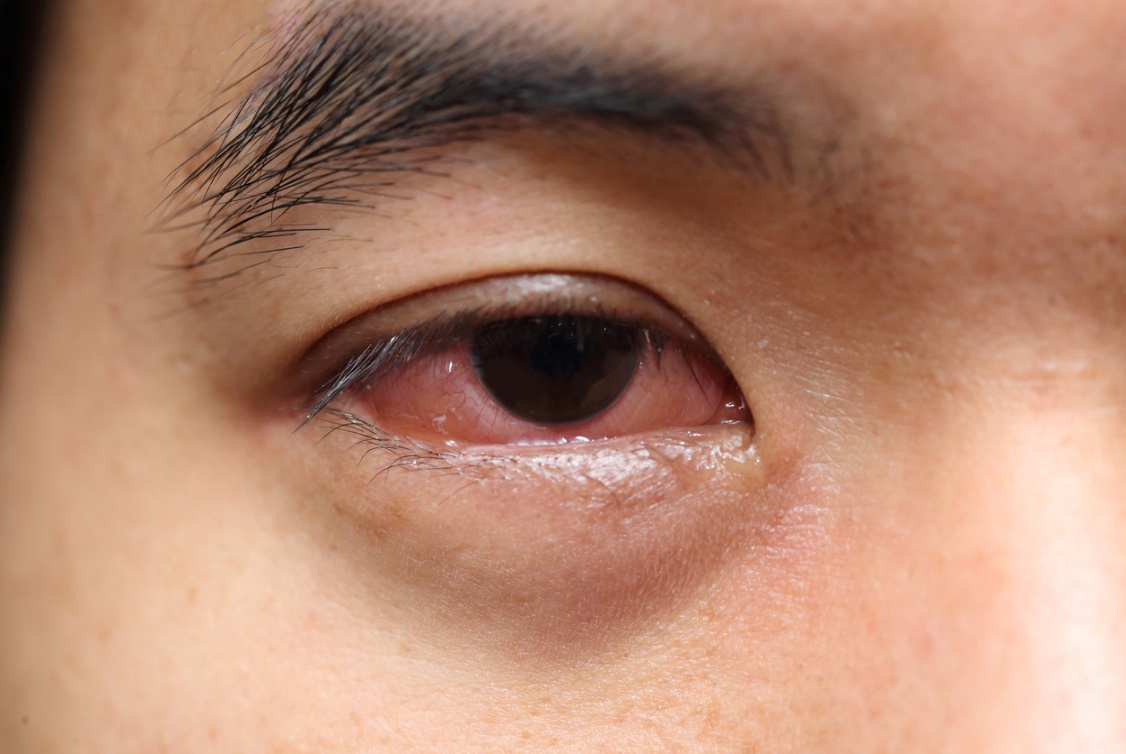
Although allergies often affect the nose and sinuses, the eyes usually react just as strongly. Symptoms may include:
- Red or bloodshot eyes
- Itching or a burning sensation
- Clear watery discharge
- Puffy eyelids
- Sensitivity to light
- Blurred or fluctuating vision
Children may rub their eyes frequently, complain of tired eyes, or have difficulty concentrating on schoolwork.
If symptoms appear every spring, or if you notice your child struggling more than usual, an eye exam can help determine whether allergies are the primary cause.
When Eye Allergies Are More Than “Seasonal Irritation”
Many families assume that red or itchy eyes in early spring are simply a normal part of living in Texas. However, certain symptoms suggest that professional eye care is important:
- Symptoms that worsen instead of improving
- Thick or stringy discharge
- Pain in or around the eyes
- Symptoms that affect only one eye
- Difficulty wearing contact lenses
- Vision that becomes noticeably blurred
These signs may indicate dry eye disease, infection, or another condition that resembles allergies. At Alice Family Eye Center, our exams are designed to determine the exact cause so that your family receives the most effective treatment.
How Eye Allergies Affect Contact Lens Wearers
Texas pollen levels often cause significant discomfort for individuals who wear contact lenses. Pollen and debris can attach to the lens surface, creating additional irritation.
Common problems include:
- Cloudy or filmy vision
- Lenses that feel dry or gritty
- Increased redness by the end of the day
During spring, many patients benefit from switching to daily disposable lenses or using prescription drops that reduce inflammation.
If contact lenses feel uncomfortable at this time of year, an exam can determine whether a seasonal adjustment will help.
At-Home Steps to Reduce Allergy-Related Eye Irritation

A few practical steps can help reduce daily exposure to allergens:
- Keep windows closed on high-pollen days
- Change air-conditioning filters regularly
- Use wraparound sunglasses outdoors
- Apply cool compresses to soothe irritation
- Avoid rubbing the eyes
- Shower before bed to remove pollen from hair and skin
These strategies reduce exposure and may significantly lessen irritation, especially for children.
How Air Filters Help Reduce Eye Allergy Symptoms
Spring pollen can easily enter the home, which means indoor air quality plays a meaningful role in how comfortable your eyes feel. Upgrading the home’s air filter can reduce the airborne allergens that contribute to red, itchy, and irritated eyes.
Air filters are rated using the MERV system (Minimum Efficiency Reporting Value). Higher numbers indicate the ability to capture smaller particles, including pollen.
Recommended MERV Ratings for Allergy Relief
- MERV 8
Helps capture pollen, dust mites, and basic household particles. This is the minimum level that provides meaningful pollen protection. - MERV 10–11
A strong choice for families in Texas who experience seasonal allergies. These filters remove pollen, mold spores, and pet dander with good airflow for most home HVAC systems. - MERV 12–13
Captures even smaller particles, such as fine dust and certain bacteria. These levels offer excellent filtration during high-pollen months and are usually the highest ratings that residential HVAC systems can support without reducing airflow.
Before selecting a very high MERV filter, it is important to confirm that the home system can support it. Filters above MERV 13 are typically used in medical environments.
How Often to Replace Air Filters in Spring
During the peak allergy season, families often benefit from replacing filters more frequently:
- Every 30 days for MERV 10–13
- Every 60–90 days for MERV 8
Homes with pets, nearby dust, or strong allergy symptoms may require more frequent replacement.
Additional Support: HEPA Air Purifiers
A separate HEPA air purifier placed in bedrooms or living areas can remove up to 99 percent of airborne pollen and fine particles that contribute to eye irritation.
Treatment Options Available at Alice Family Eye Center
Our practice provides several effective solutions for families dealing with spring allergies:
- Prescription antihistamine or anti-inflammatory eye drops
- Treatment for allergy-related dry eye symptoms
- Contact lens evaluations for seasonal discomfort
- Pediatric eye exams for children with recurrent symptoms
- Guidance for families with a history of severe seasonal allergies
Each treatment plan is customized to ensure safe and effective results.
Why Spring Is an Ideal Time for a Family Eye Exam
Spring serves as a helpful reminder to schedule annual eye exams for the entire family. Allergies may reveal underlying dryness, contact lens issues, or other conditions that benefit from timely attention. A spring exam also ensures that children have clear, comfortable vision as they move into the final portion of the school year.
As a trusted provider of family eye care, Alice Family Eye Center remains dedicated to guiding and supporting your family’s vision needs during the changing seasons.
Schedule Your Spring Eye Exam
If you or your child experiences watery, itchy, or irritated eyes this season, a comprehensive exam can provide relief and prevent symptoms from worsening. Our team provides dependable, professional Texas eye care for patients of all ages.
To learn more about eye allergies, you may visit the MedlinePlus page on allergic conjunctivitis.
To schedule an appointment, please contact Alice Family Eye Center. We look forward to supporting your family’s vision throughout the spring and the year ahead.